Campfire Reunions
Lyrics for Singalongs and Original Songs
Click a picture or song title for the full lyrics.
Category: Campfire Songs
Memorable campfire songs to sing at gatherings of family and friends.
-

“Let Me Call You Sweetheart,” published in 1910, is a popular American love song written by Beth Slater Whitson (lyrics) and Leo Friedman (music). Originally a hit for tenor Arthur Clough and the Peerless Quartet in 1911, its simple, sentimental melody made it a lasting standard.
-

The song “My Wild Irish Rose,” written and composed by Chauncey Olcott, was inspired by an actual flower given to his wife Margaret by a young boy in Killeagh, County Cork, Ireland, in 1898.
-

This popular American song was written by Larry Shay, Mark Fisher, and Joe Goodwin in 1928. It became an enduring jazz standard, with its optimistic message. Despite being embraced during the Great Depression, the song was originally published in 1928, a time of prosperity before the Wall Street crash.
-

In 1908, Jack Norworth wrote this song on some scrap paper on a train ride to Manhattan, New York. He gave those paper scrap lyrics to Albert Von Tilzer who composed the music which in turn was published by the York Music Company and before the year was over, a hit song was born.
-
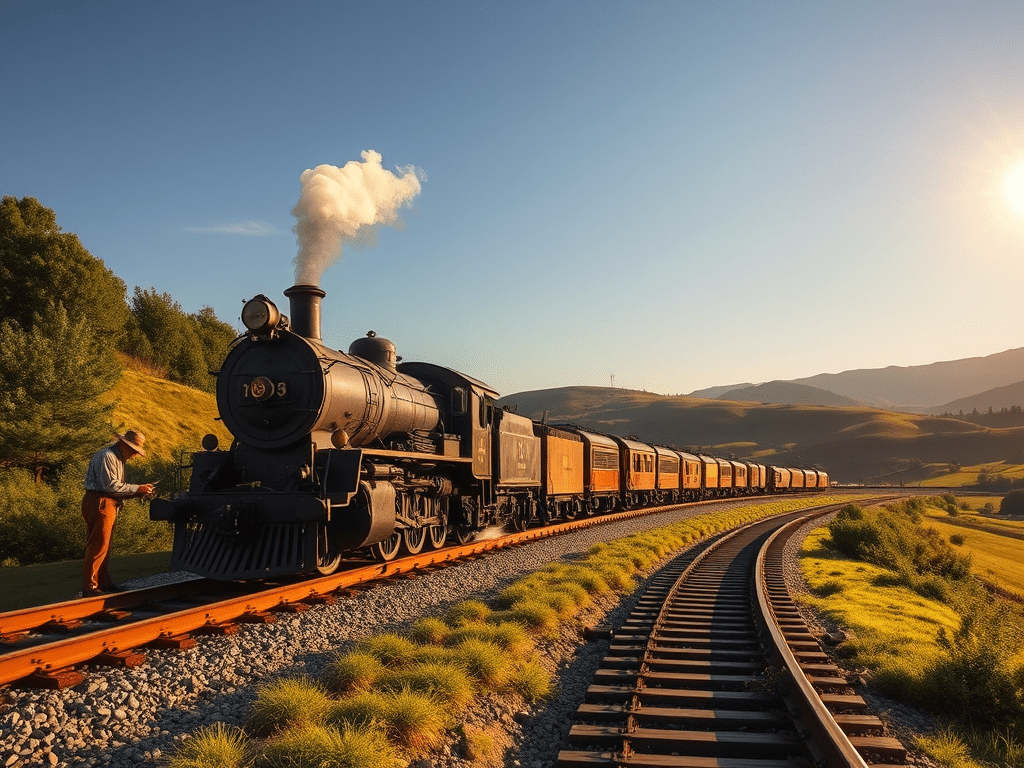
This popular song originated from the melody of the “Levee Song,” which was first published in Princeton University’s 1894 songbook, Carmina Princetonia. The original lyrics were about African American laborers building levees, but as the focus of Black labor shifted to railroad construction, the lyrics were adapted to reflect this new context.
-

“Oh! Susanna,” written in 1847 and published in 1848, made Stephen Foster an instant success as a composer and launched his musical career.
-

This hit 1958 song by the Everly Brothers achieved massive success, topping multiple Billboard charts including a #1 hit in the UK at the time. It was recognized by the Rock and Roll Hall of Fame as one of the “500 Songs that Shaped Rock and Roll”.
-

The song “The Last Thing On My Mind” was written and first recorded by Tom Paxton in 1964. While The Seekers performed and popularized the song, it is one of Tom Paxton’s best-known and most-covered works.
-

Written by Jeff Silbar and Larry Henley in 1982, “Wind Beneath My Wings” was recorded by several artists before Bette Midler’s 1988 version for Beaches made it a worldwide hit. The heartfelt ballad won two Grammys and became an enduring anthem of gratitude and love.
-
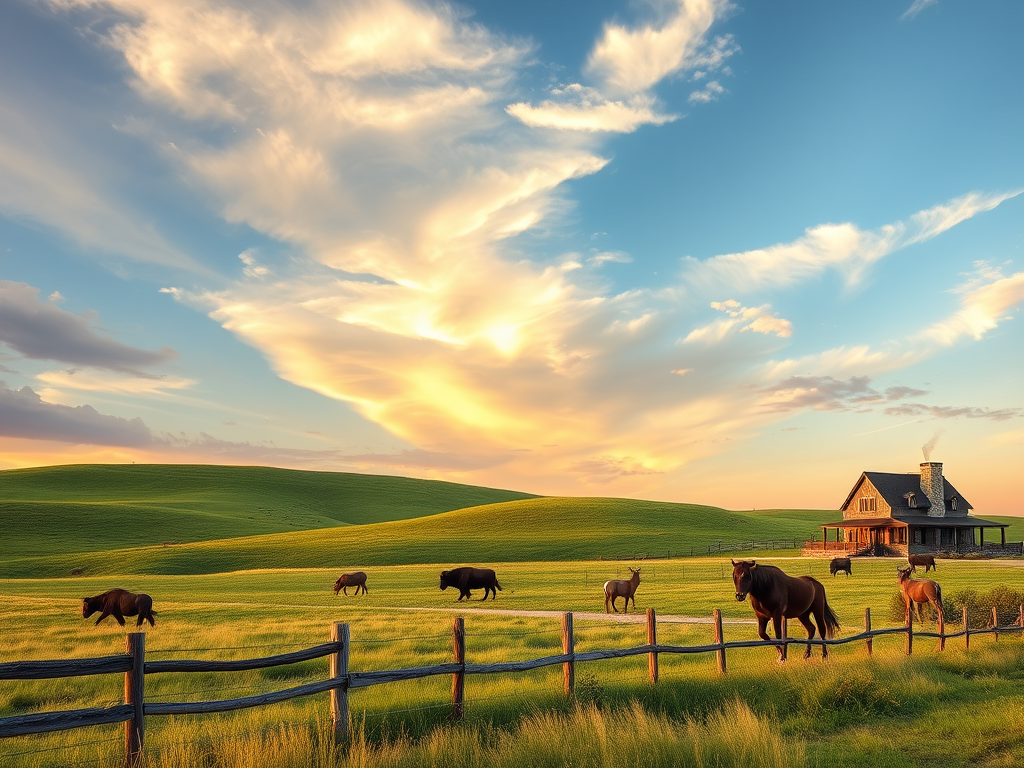
Originally a 19th-century poem by Dr. Brewster M. Higley of Kansas, “Home on the Range” was set to music by Daniel E. Kelley. Beloved for its imagery of the American West, it became the official state song of Kansas in 1947 and is often called the “cowboy’s anthem.”
-

Written by Les Brown, Ben Homer, and Bud Green in 1944, “Sentimental Journey” became Doris Day’s first big hit with Les Brown’s band in 1945. Released as WWII ended, it resonated with soldiers returning home. Trivia: it’s often called the unofficial anthem of homecomings and launched Day’s legendary career.
-

Written by Wayland Holyfield and Bob House, “Could I Have This Dance” was released by Anne Murray in 1980 for Urban Cowboy. It became a country-pop crossover hit, won a Grammy, and is now a wedding favorite—treasured for its gentle melody and heartfelt promise of lasting love.
-

Originally written in 1955 by Alex North and Hy Zaret, “Unchained Melody” was made iconic by the Righteous Brothers in 1965. Though not actually brothers, their soulful version became unforgettable — especially after its romantic revival in the 1990 film Ghost. A timeless favorite for slow dances and singalongs.
-
Written in just ten minutes on a Colorado ski lift, “Annie’s Song” was John Denver’s love letter to his wife Annie. Released in 1974, it soared to No. 1 and remains one of his most cherished ballads — simple, soaring, and full of heartfelt gratitude.
-
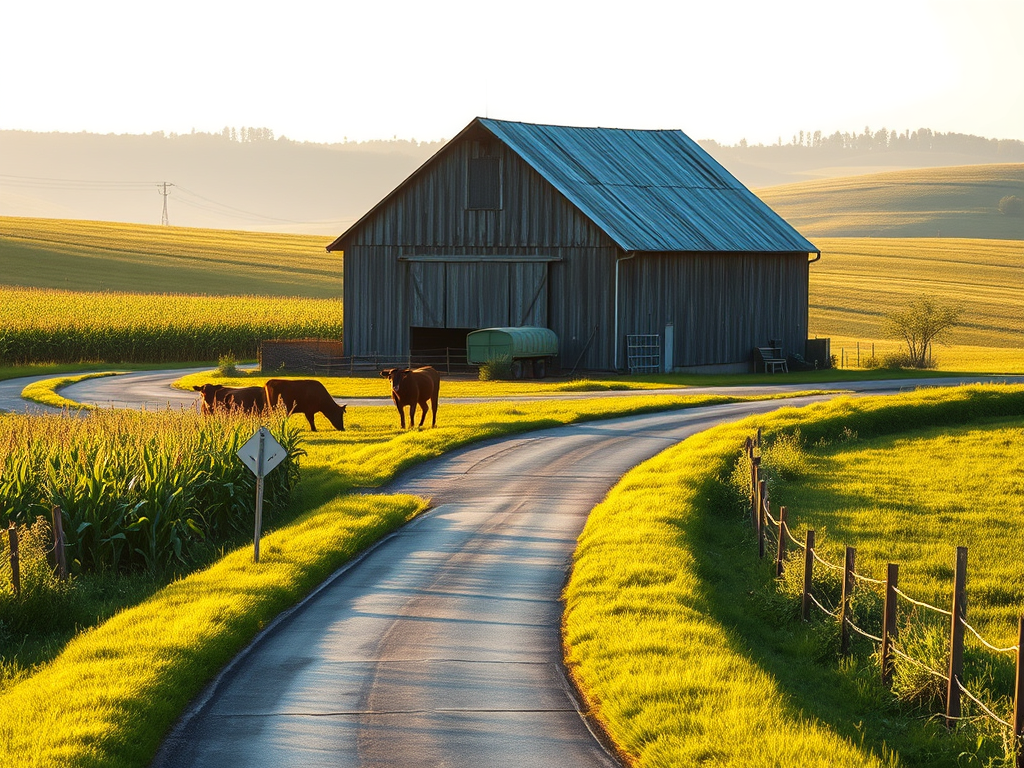
By John Denver. (Key of C) Almost Heaven, West VirginiaBlue Ridge Mountains, Shenandoah RiverLife is old there, older than the treesYounger than the mountains, growin’ like a breeze Country roads, take me homeTo the place I belongWest Virginia, mountain mamaTake me home, country roads All my memories gather ’round herMiner’s lady, stranger to blue waterDark…
-

“Back Home Again,” written and sung by John Denver, was released in 1974 and became one of his signature songs. It won the Country Music Association’s Song of the Year and celebrates the comfort of returning to loved ones—reflecting Denver’s gift for turning everyday moments into heartfelt ballads.
-
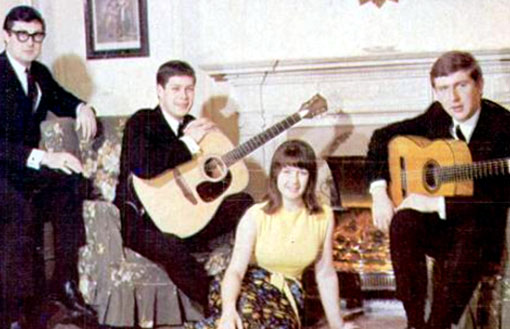
This song was written by Tom Springfield and released in 1964 as the breakout hit for Australian folk-pop group The Seekers. Its heartfelt lyrics and soaring harmonies helped make it an international success, reaching No. 1 in the UK and launching the group to global fame.
-

Sung by Peter, Paul, and Mary. When I was just a lad of ten, my father said to me“Come here and take a lesson from the lovely lemon tree”“Don’t put your faith in love, my boy” my father said to me“I fear you’ll find that love is like the lovely lemon tree” Lemon tree, very…
-

The words to the hymn “Amazing Grace” were written in 1772 by John Newton, an English clergyman and former slave ship captain. He published them in 1779 as part of a collection titled Olney Hymns, to accompany a sermon on New Year’s Day.
-
This song was written and released by Bob Dylan in 1962/1963. The song became an anthem for civil rights and anti-war movements. Its melody is adapted from the African American spiritual “No More Auction Block for Me”.
-
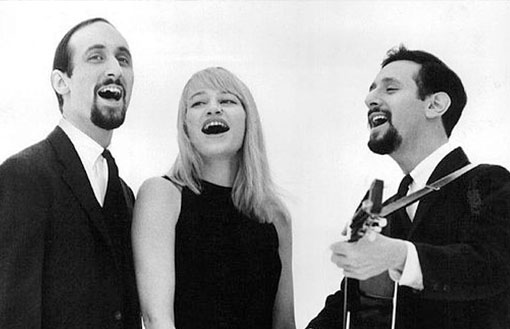
The song “Hangman,” popularized by Peter, Paul and Mary, has a long history rooted in traditional European and American folk music. It’s known by various titles, including “The Maid Freed from the Gallows” and “The Gallows Pole,” and features a condemned person pleading for time while loved ones attempt to secure their release.
-

“Will the Circle Be Unbroken” is a traditional hymn adapted by Ada R. Habershon in 1907, with music by Charles H. Gabriel. It gained renewed fame in the 1930s through the Carter Family and became an enduring symbol of hope and reunion in folk and gospel music.
-

Katharine Lee Bates wrote the poem in 1893 after visiting Pikes Peak; it was later set to Samuel A. Ward’s 1882 melody. First published in 1895, it gradually gained popularity and was often proposed as a national anthem alternative for its sweeping imagery and inclusive vision of America.
-

“You Are My Sunshine” was first recorded in 1939 and is often credited to Jimmie Davis and Charles Mitchell. Davis, a country singer and future Louisiana governor, popularized the song, which went on to become one of the most recorded and enduring American folk tunes of the 20th century.
-

“Don’t Think Twice, It’s All Right” was written by Bob Dylan in 1962 during his early folk years. Inspired by traditional melodies and personal heartbreak, it became one of his first widely covered songs and a defining example of his lyrical storytelling.
-

“What a Wonderful World” was written by Bob Thiele and George David Weiss and first recorded by Louis Armstrong in 1967. Released during a time of social unrest, its hopeful message and Armstrong’s warm delivery have made it an enduring anthem of peace and appreciation.
-

“Can’t Help Falling in Love” was written by Hugo Peretti, Luigi Creatore, and George David Weiss, and recorded by Elvis Presley in 1961 for the film Blue Hawaii. Its romantic melody and tender lyrics made it one of Presley’s most beloved ballads.
-

“A Teenager in Love” is a song written by Doc Pomus and partner Mort Shuman. It was originally recorded by Dion and the Belmonts, and released in March 1959. Source: Wikipedia.
-
“This Land Is Your Land” was written by Woody Guthrie in 1940 as a response to “God Bless America.” It became a powerful anthem of inclusion and protest, widely embraced in folk and social justice movements.
-
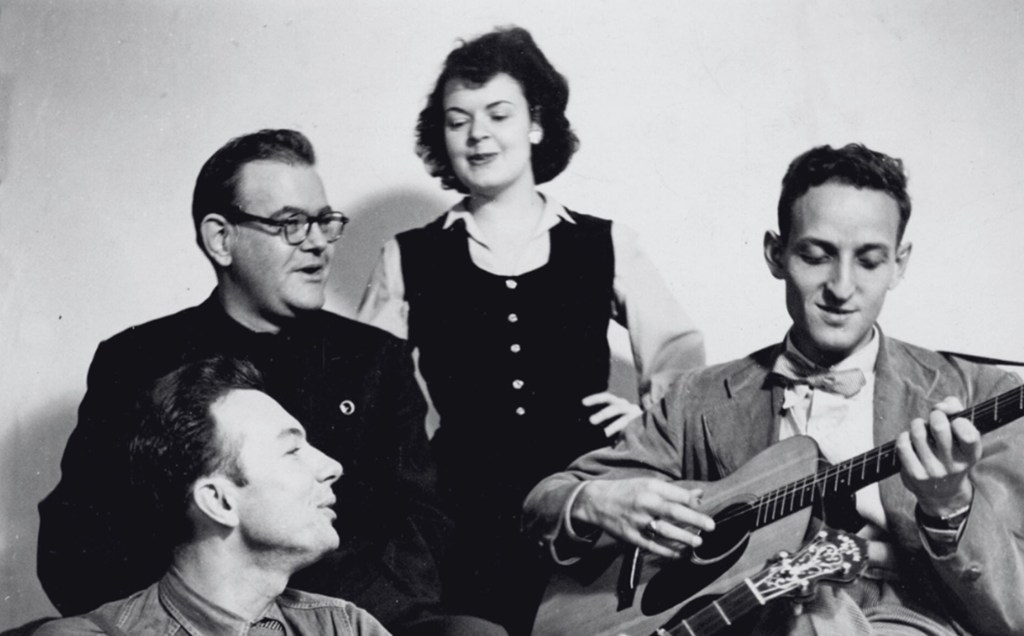
“Goodnight Irene” was originally written by Lead Belly (Huddie Ledbetter) in the 1930s and popularized after his death by The Weavers in 1950. Its haunting melody and bittersweet lyrics helped bring American folk music into the mainstream.
 Campfire Reunions